
It's the age-old marketing debate, updated for the college campus: should you invest in in-person events or digital campaigns? When your budget is limited and your target audience is 18–22-year-olds, every dollar needs to work hard. So which channel actually delivers more ROI?
The honest answer - the one that most marketing articles won't give you - is that this is the wrong question. The brands that are winning on college campuses in 2025 aren't choosing between events and digital. They're using them together as a system, where each channel amplifies the other.
But to understand why the hybrid approach works, you first need to understand what each channel does well on its own. Let's break it down.
The Case for Campus Events
There's something about an in-person experience that no screen can replicate. When a student walks up to your branded activation, tries your product, talks to a real human being, and walks away with a positive memory - that's a fundamentally different brand interaction than scrolling past an ad on their phone.
Events create memories. Psychological research consistently shows that experiential marketing creates stronger emotional connections and better brand recall than traditional advertising. A student who attends a branded fitness class, a free concert, or a product launch party will remember that experience - and by association, your brand - for months or years.
Events enable sampling.For CPG, food and beverage, beauty, and wellness brands, getting your product into someone's hands is the single most effective conversion tactic. Events create a natural context for sampling. Students expect to receive free stuff at campus events - it's practically a social contract.
Events are inherently social.Students attend events with friends, take photos, share on social media, and talk about the experience afterward. A well-executed campus event doesn't just reach the people who attend - it reaches their entire social network through organic sharing.
Events build community.When you sponsor a student org's event or host something on campus, you become associated with the community itself. You're not an interruption; you're a contributor. That positioning is invaluable for building genuine brand affinity.
The Case for Digital Campaigns
Digital campaigns have their own undeniable advantages, especially for brands that need to scale beyond a single campus or optimize based on data.
Scale and reach.A campus event might reach 200–500 students. A well-targeted digital campaign can reach tens of thousands across multiple campuses simultaneously. If you're a national brand trying to build awareness with college students broadly, digital gives you the volume that events can't match.
Measurability. Digital campaigns give you hard data: impressions, clicks, conversions, cost per acquisition. You can A/B test creative, optimize targeting in real time, and attribute every dollar to a specific outcome. With events, measurement is fuzzier - how do you quantify the value of a positive brand memory?
Cost efficiency per impression.On a pure cost-per-impression basis, digital campaigns are almost always cheaper than in-person events. You can reach a CPM of $5–$15 on TikTok or Instagram, while a campus event might cost $20–$50+ per attendee when you factor in logistics, product, and staffing.
Always-on presence. Events happen once. Digital campaigns can run continuously, keeping your brand in front of students throughout the semester. This consistency matters for building familiarity and top-of-mind awareness.
The Real Answer: Events Create Content, Digital Amplifies It
Here's where it gets interesting. The smartest campus marketers don't treat events and digital as separate channels. They treat events as content engines that feed their digital strategy.
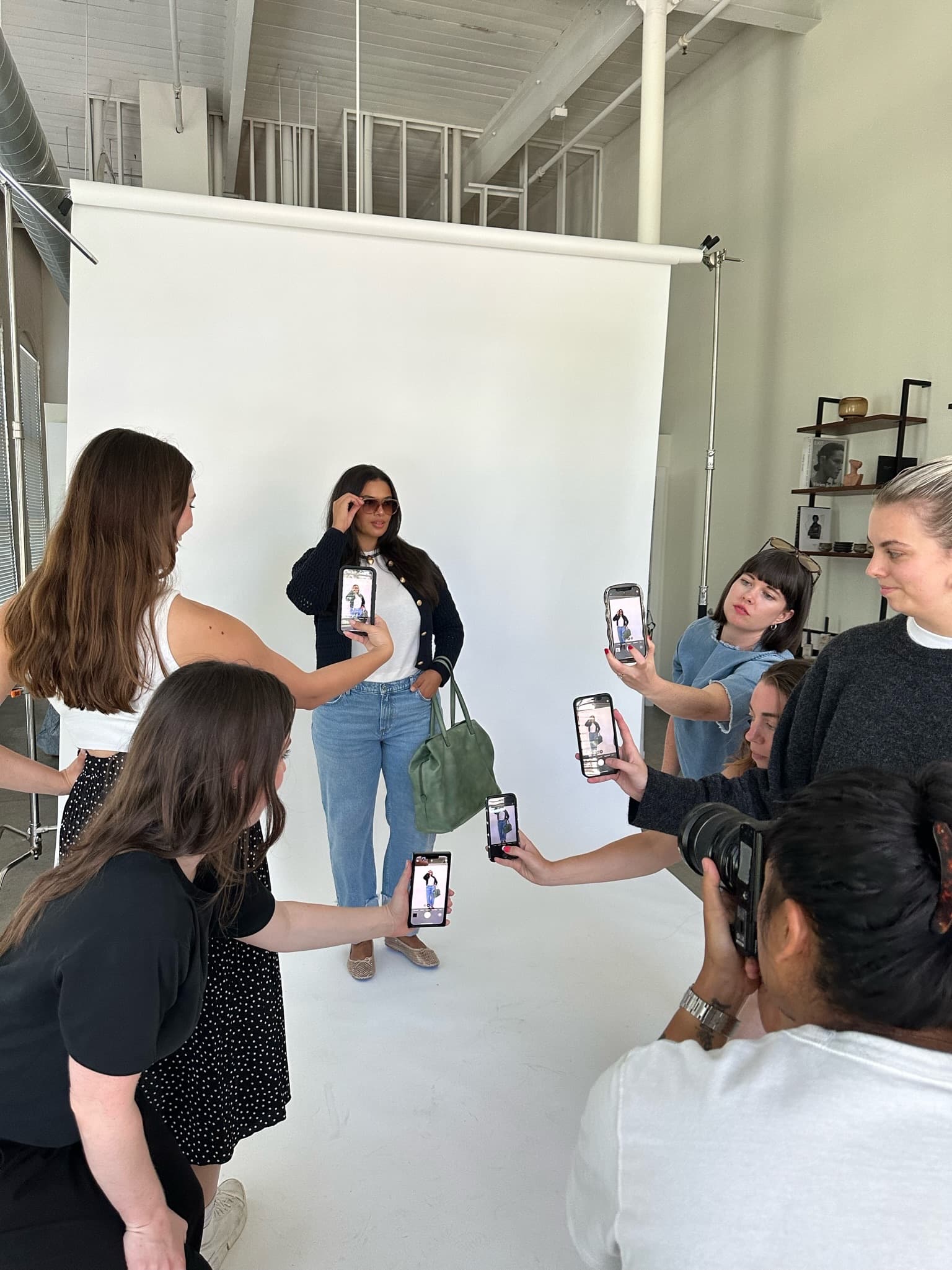
Think about it: a single campus event can generate dozens of pieces of content - UGC from attendees, photos and videos from ambassadors, student org social media posts, stories, TikToks, testimonials. All of that content can then be amplified through digital channels for weeks or months after the event is over.
This hybrid approach solves the biggest weakness of each channel individually. Events lack scale? Amplify the content digitally. Digital lacks depth? Ground it in real experiences that students actually had. The event provides the authenticity; digital provides the reach.
Hybrid Approaches That Work
Here are proven hybrid strategies that brands are using successfully on college campuses:
The Event-to-Ad Pipeline
Host a branded event on campus. Have ambassadors and attendees create content during the event. Curate the best UGC and run it as paid social ads targeting students at that campus and similar schools. The ads feel authentic because they are authentic - real students, real event, real reactions.
The Digital Teaser, IRL Payoff
Build anticipation for a campus event through targeted social ads, ambassador posts, and student org promotion. Drive attendance with exclusive offers or giveaways. The digital campaign drives the event turnout; the event delivers the memorable brand experience.
The Ambassador Content Loop
Recruit campus ambassadors who create regular social content featuring your brand in their daily campus life. Periodically host events that give them fresh content opportunities and build community among your ambassador cohort. The ongoing content maintains awareness; the events create spikes of engagement and new content.
The Student Org Partnership
Sponsor a student org's major event and partner with them on a semester-long digital content series. The event gives you a high-impact moment; the content series gives you sustained presence. The org's endorsement lends credibility to both the event and the digital content.
How to Measure ROI for Each Channel
Measurement is where many brands struggle, especially with events. Here's a practical framework:
Event Metrics
Attendance - How many students showed up?
Samples distributed - How many products got into students' hands?
Social mentions - How many posts, stories, and tags did the event generate?
Email/QR code signups - How many students entered your funnel?
Cost per meaningful engagement - Total event cost divided by attendees who engaged with your brand (not just walked by).
Digital Metrics
Impressions and reach - How many students saw your content?
Engagement rate - Likes, comments, shares, saves relative to reach.
Click-through rate - How many people took the next action?
Conversion rate and CPA - How many leads, signups, or purchases did the campaign generate, and at what cost?
Content generated - How many pieces of UGC or ambassador content came out of the campaign?
The most important metric for hybrid campaigns is content multiplication - how much digital content did a single event produce, and what was the total reach of that content over time? When you factor in the downstream digital value of event-generated content, the ROI of campus events looks dramatically different than a simple cost-per-attendee calculation.
How The Yard Supports Both Channels
Most marketing platforms are built for one channel or the other. Influencer platforms handle digital. Event agencies handle in-person. The Yardis built for both, because that's how campus marketing actually works.
On the event side, The Yard connects brands with student organizations that have the infrastructure, venues, and audiences to host campus events. You can find the right org, propose a sponsorship, and manage the partnership all in one place.
On the digital side, The Yard gives brands access to campus creators who can produce UGC, run ambassador content campaigns, and amplify your brand across social platforms. And because everything is on one platform, you can run hybrid campaigns - event sponsorship plus creator content - without juggling multiple tools, agencies, and spreadsheets.
The Bottom Line
If you're forced to choose one channel, choose the one that matches your primary goal. Need deep brand affinity on a specific campus? Invest in events. Need broad awareness across many campuses on a tight budget? Go digital.
But if you want to actually win on campus - the kind of presence where students know your brand, trust it, and recommend it to their friends - build a system where events and digital work together. Let events create the moments. Let digital extend them. And let the campus do what it does best: spread the word.

Ready to activate on college campuses?
Join The Yard and connect with student creators and organizations at top universities.
Join The Yard